
An interview with Lawrence Chen
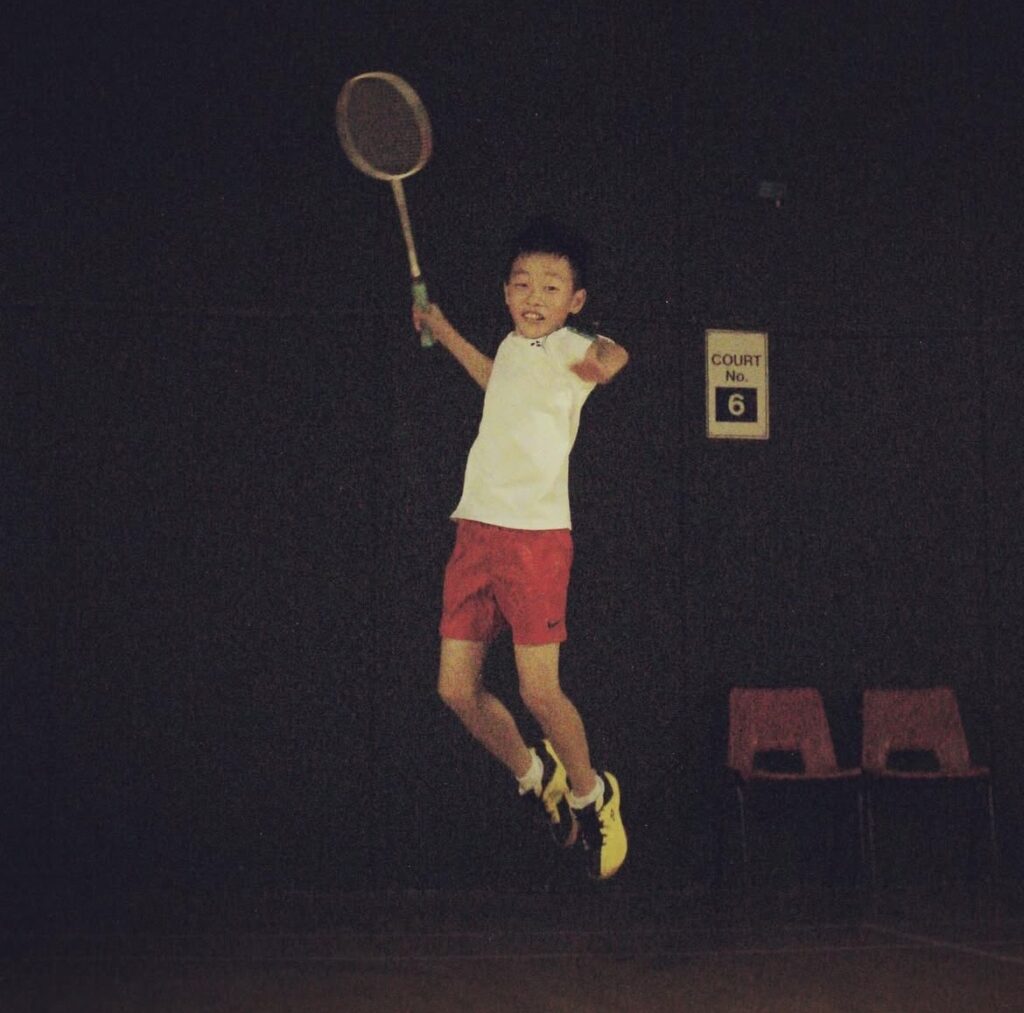
We sat down with one of our academy athletes to reflect on their journey – from stepping into junior sessions for the first time to competing and winning at national level. This is their story, in their own words.
Q: When you first joined junior sessions, what did badminton mean to you back then?
When I first joined the junior sessions, I saw badminton as a way to stay active and learn new skills, as I had enjoyed sports from a young age. Over the years, though, my perspective completely changed. Once I joined the academy, badminton became more than just a sport – it became something I wanted to be really good at.
The level of training and the insight I’ve had from the coaches pushed me to improve every day and made me want to compete and perform at a high level.
Q: Was there a defining moment when you decided you wanted to compete at the top level?
I wouldn’t say there was one exact moment. It happened gradually. As my potential developed and I realised how much I enjoyed competing, I naturally wanted to perform at the best of my ability.
Around 2019, when I started playing more tournaments, I realised how much I enjoyed the competitive side of the sport. After lockdown, that enjoyment turned into commitment, and I started training much more consistently.
Q: Every athlete faces setbacks. What’s been your biggest challenge so far?
In 2024, I picked up a hamstring injury during the semi-finals of a U17 Gold tournament. It meant I couldn’t train properly for around two months because movement on court was really difficult.
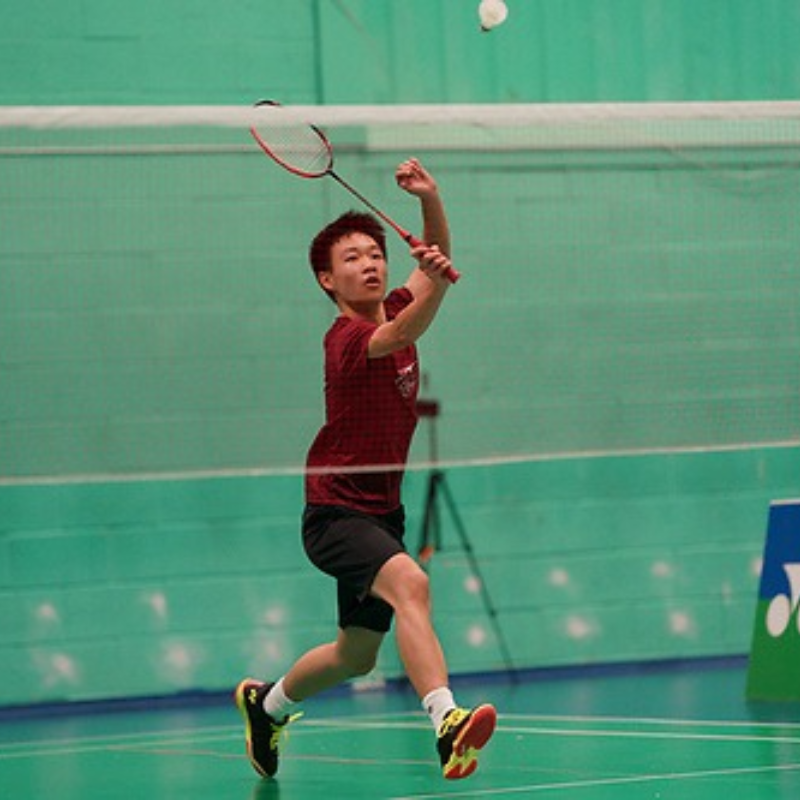
Training had become part of my weekly routine, so that disruption was tough mentally as well as physically. But once I was fully fit, I got back into my routine. Later that same year, I won the U17 National Championships in doubles.
That experience showed me that setbacks don’t define you – how you respond to them does.
Q: Beyond performance, what has the academy environment taught you?
The academy has taught me skills that go far beyond badminton. Training consistently has taught me discipline, which has helped me improve both technically and physically.
Competing in more tournaments has boosted my confidence, not just on court but off it too. I’ve also matured mentally – I’ve learned that losing isn’t the end of the world. It’s a learning curve. Every loss is an opportunity to understand your game better and improve for the long term.
Q: Why did you ultimately choose badminton over other sports?
In primary school, I played football alongside badminton. Before starting secondary school, I decided I needed to focus on one. Even though I enjoyed both, badminton stood out.
Watching top players like Lin Dan and Kento Momota really captivated me. The speed, agility and precision in every rally fascinated me and made me want to pursue the sport seriously.
Q: As you approach the end of your junior career, what are your goals moving forward?
As I come towards the end of my junior career, my goal is to transition smoothly into the senior stage and stay competitive in both my final junior tournaments and future senior competitions, domestically and internationally.
For me, mindset is everything. Not every win has to be perfect. As long as you don’t give up and keep pushing forward, good things will come.
Final Thoughts
This journey is a powerful reminder that elite performance isn’t built overnight. It’s shaped by consistency, resilience, and the willingness to learn – from wins, losses and everything in between. From junior sessions to national titles, this is what long-term development really looks like.